Resources
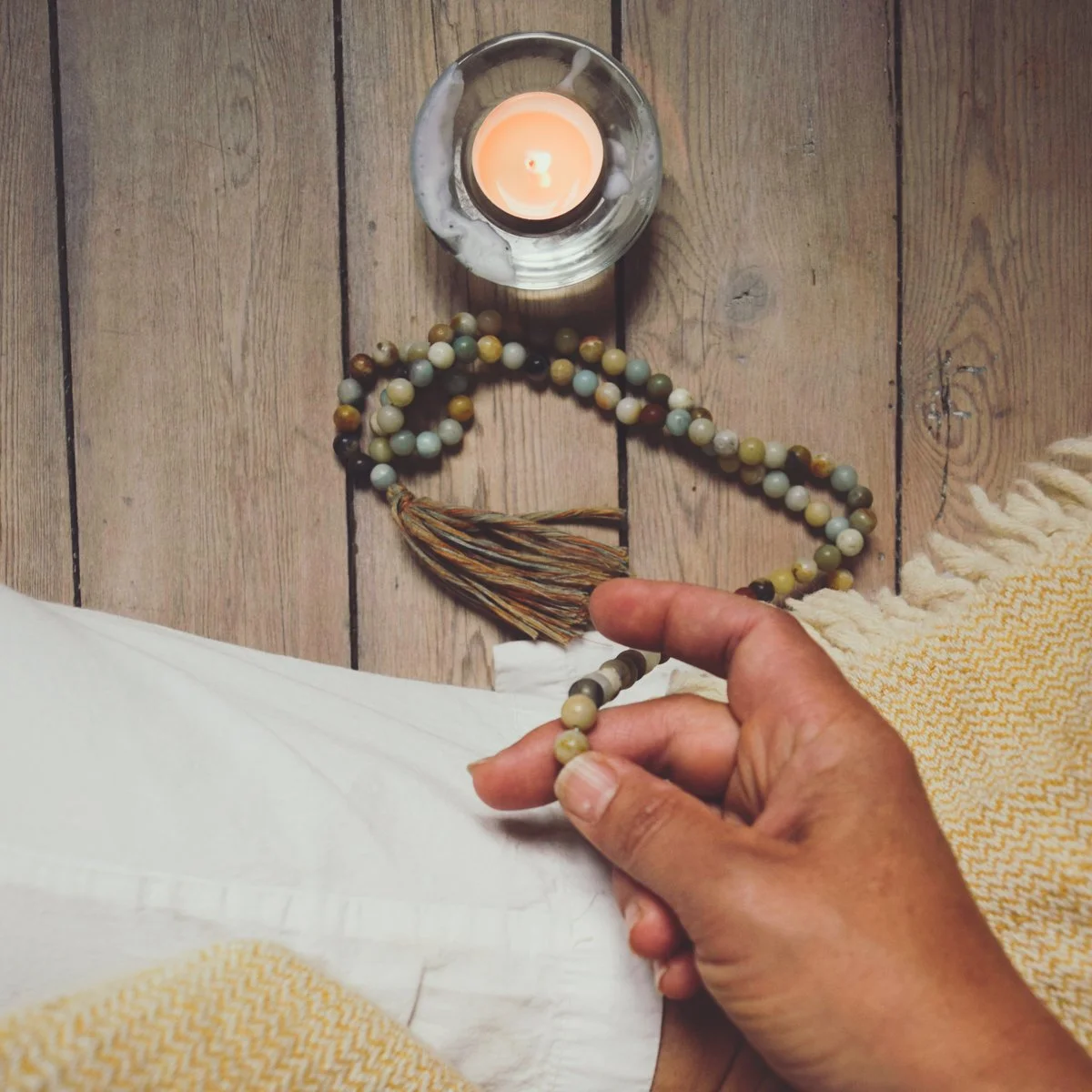
Audio Practices
Pranayama Practice
This 25-minute practice combines 3 rounds of 60 Kapalabhati pumps with retention, and 10 rounds of Anuloma Viloma, to cleanse and energise the mind and body and then still the mind, as a practice alone or in preparation for asanas and meditation.
In preparation for this practice, you can follow the video talk and beginners’ practice HERE.
Daily Meditation Practice
This is a 15-minute meditation, a short, accessible and easy way to encourage a daily practice that will help you to feel more centred, and will expand your sense of time to create greater clarity, helping you to feel more in control of life's demands.
Yoga Nidra: Coming Home to Rest
Yoga Nidra, or “yogic sleep”, is a guided practice of deep relaxation done lying down. While the body rests completely, the mind stays gently awake, moving through the body, the breath and simple images, and settling into a state between waking and sleep. Its rest can be as restorative as much deeper sleep, calming the nervous system and easing stress, scattered thoughts and fatigue.
This 35-minute guided relaxation leads you into deep rest and a return to yourself, a coming home to the quiet, steady centre beneath the busyness of the day. All you need is a warm, quiet space, something soft beneath you and a blanket to cover you.
Video Practices: Pranayama for Beginners
Pranayama for Beginners, Part 1: A Guided Asana and Breathing Practice
We start with a gentle asana session to open the chest, lungs and diaphragm, creating space for the breath. Then I lead you through two classic pranayama practices: Kapalabhati, to build warmth and energy, and Anuloma Viloma, to calm the nervous system and keep you grounded. In Part 2, I share a short pranayama 101, the traditional yogic teaching on the breath, made practical for everyday life. The breath is one of our most powerful anchors, and a doorway to better health.
Pranayama for Beginners, Part 2: Understanding Prana and the Breath
In this talk, I share a short pranayama 101: the traditional yogic teaching on the breath, made practical for everyday life. We look at what prana is, how it moves through the body, and how stress, posture and the season can leave it stuck, showing up as poor sleep, a busy mind or low energy. I explain how the diaphragm helps free the breath, how Kapalabhati and Anuloma Viloma work on a physical and subtle level, and why we use the ratios and the hold. To finish, a simple five-minute daily practice to take home. Practise along with Part 1 first.
Video Practices: Yoga Classes
Hatha Yoga
This 60-minute Hatha class is an example of what to expect on 21 Days of Yoga. It’s a five-breath practice, with each posture held for five slow breaths. The pace is intentional and grounding. As your nervous system softens and breath deepens, strength builds sustainably. A particular focus is the psoas, the deep muscle connecting spine and legs, which tightens under stress, creating tension, fatigue and shallow breathing. With conscious movement and breath, these patterns shift, leaving you clearer, more energised and peaceful.
Yin Yoga
This 60-minute Yin class focuses on digestion, the heart of wellbeing in Ayurveda. Postures are held for several minutes, with gentle twists, forward folds and supported shapes that softly compress and release the abdomen. As the body is held and the breath slows, the nervous system shifts into its “rest and digest” state, easing tension in the belly and supporting your digestive fire, agni. You’ll come away calm, settled and lighter.